
Laser - DeBrief
Airway Fires Simulation
Use this resource in conjunction with your real-world training

Experience Summary
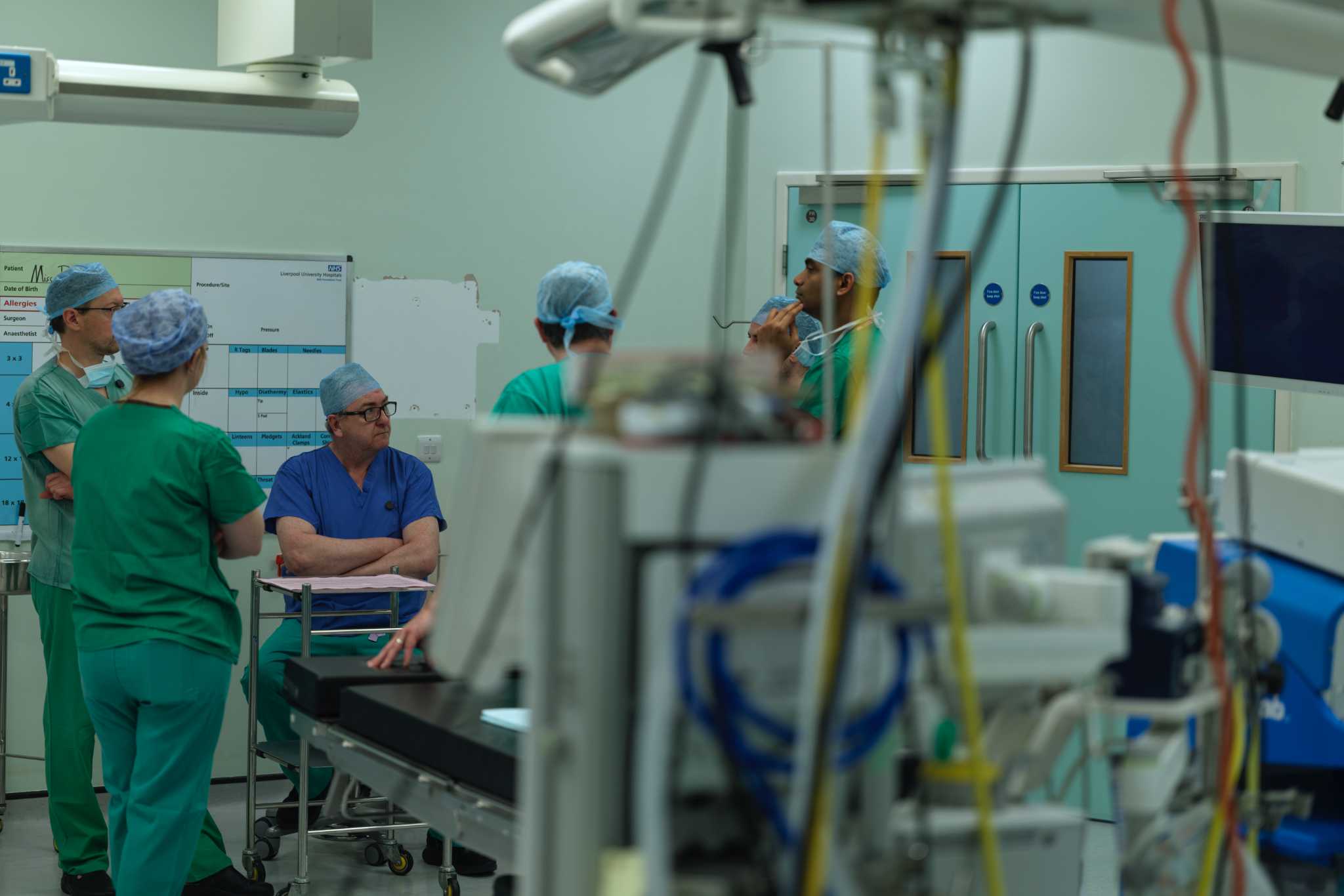
In this experience, observe the debrief for a procedure of a 65 year old male undergoing a transoral laser resection of his right vocal cord squamous cell carcinoma, during which there was an airway fire.
Clinical Context
Laser-assisted and diathermy-based airway procedures are widely used in the management of airway pathology. While generally safe, these techniques carry a small but well-recognised risk of airway fire. This arises when the elements of the classic “fire triangle” are present: an oxidiser (typically oxygen-enriched gas mixtures), an ignition source (such as a laser beam or electrosurgical current), and a fuel (including airway secretions, blood, or moist mucosa).
Longer-Term Management Of Airway Fires
Following initial stabilisation, ongoing care focuses on the recognition and treatment of airway injury and systemic complications. Patients require close monitoring, often in a high-dependency or intensive care setting, due to the risk of delayed airway oedema, sloughing of mucosa, and secondary obstruction. Repeat bronchoscopic evaluation may be necessary to clear debris and reassess injury progression. Supportive management includes humidified oxygen, careful airway toileting, and consideration of corticosteroids, although evidence for their routine use is limited. Broad-spectrum antibiotics are not routinely indicated unless there is clinical suspicion of infection. Long-term sequelae such as subglottic stenosis, vocal cord injury, or tracheal scarring should be anticipated, with early involvement of ENT and airway specialists to facilitate follow-up and rehabilitation.
Incident Reporting And Duty Of Candour
Airway fire constitutes a serious patient safety incident and should be reported promptly via local incident reporting systems (e.g. Datix) in line with NHS governance processes. Comprehensive documentation of the event, including contributing factors and immediate management, is essential to support organisational learning and risk reduction. In accordance with the statutory duty of candour, patients (and/or their families) must be informed of the incident in an open, timely, and honest manner. This includes a clear explanation of what occurred, the potential implications, and the steps being taken to manage harm and prevent recurrence.
Learning Outcomes
- Observe the debrief of an airway fire caused by laser use.
- Understand the risks associated with laser use.
- Understand the risk factors for a laser fire.
- Understand the longer-term management of an airway fire.
- Understand the documentation and reporting required after an airway fire.
External Resources