
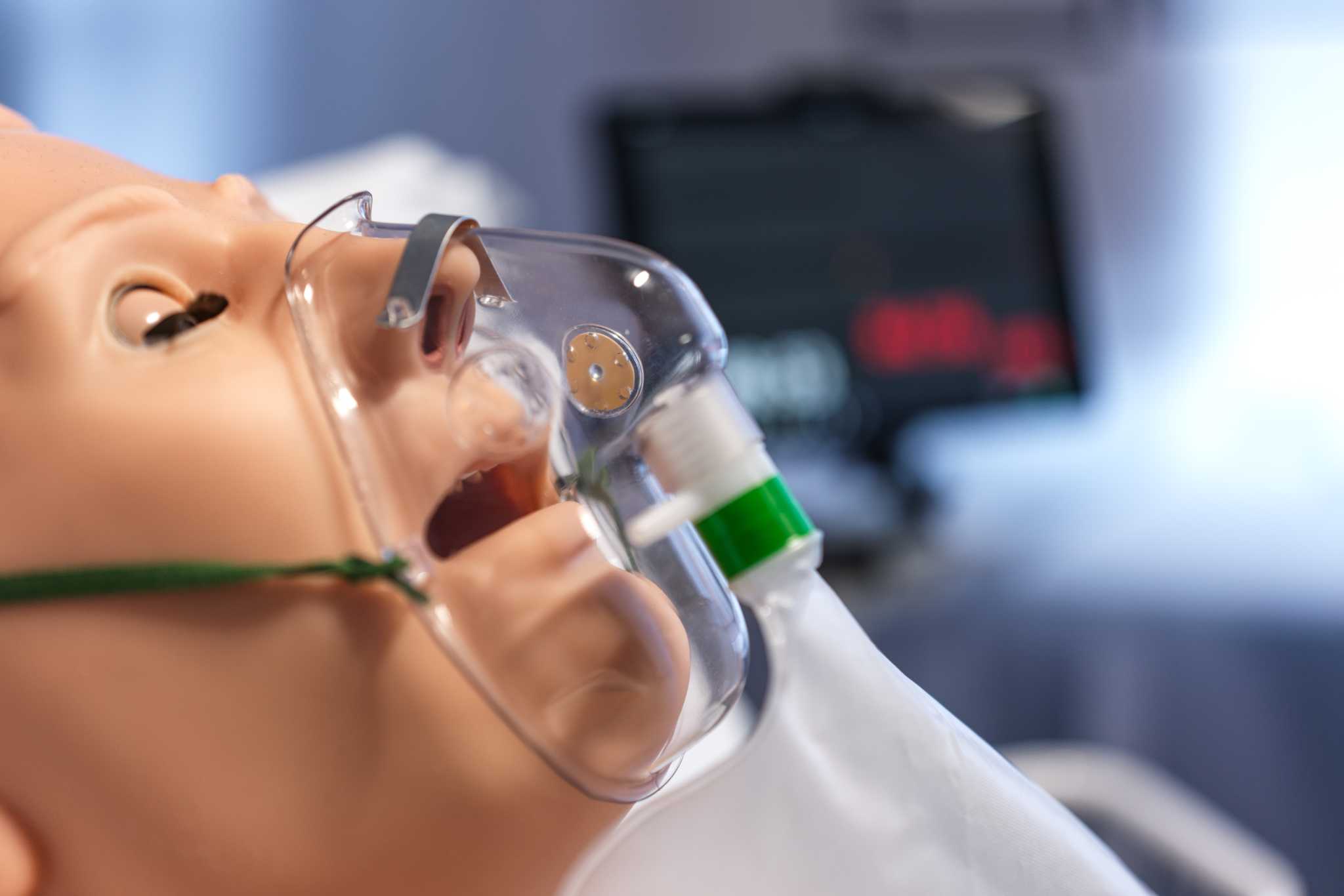
Opioid Overdose
A-to-E Assessments Simulation
Use this resource in conjunction with your real-world training

Experience Summary
In this experience, watch as a candidate undertakes a simulated A to E assessment of a patient presenting with post-operative drowsiness, and undergoes subsequent debrief.
Clinical Context
A drowsy post-operative patient represents a common but potentially life-threatening clinical scenario requiring prompt recognition and systematic management. Causes are broad and include residual anaesthesia, metabolic disturbances, sepsis, hypoxia, and drug effects—most notably opioid overdose. Early identification and intervention are critical to prevent deterioration.
Assessment
Management begins with an ABC approach (Airway, Breathing, Circulation). A reduced level of consciousness raises immediate concerns about airway protection and ventilatory adequacy. Opioid toxicity classically presents with reduced respiratory rate, hypoventilation, and decreased oxygen saturations. Immediate monitoring (pulse oximetry, ECG, blood pressure) and administration of high-flow oxygen are essential. If airway compromise is suspected, basic airway manoeuvers or advanced airway support may be required.
A focused assessment should include review of the operative course, anaesthetic record, and medications administered (particularly opioids such as morphine or fentanyl). Clinical examination should assess level of consciousness (e.g., using the Glasgow Coma Scale), pupil size (pinpoint pupils suggest opioid effect), respiratory rate, and signs of hypoxia or hypercapnia. Other causes of post-operative drowsiness—such as hypoglycaemia, electrolyte imbalance, or intracranial events—must also be considered.
Initial investigations include arterial blood gas (to assess for hypercapnic respiratory failure), blood glucose, and routine blood tests (FBC, U&Es). Continuous monitoring is crucial.
Early Management
If opioid overdose is suspected, prompt administration of naloxone is indicated. Naloxone should be titrated carefully in small intramuscular or intravenous doses to improve respiratory drive while avoiding acute withdrawal or severe pain. Supportive care, including oxygen therapy and, if necessary, assisted ventilation, should be provided.
Concurrently, reversible causes should be addressed: correct hypoglycaemia, treat electrolyte abnormalities, and ensure adequate perfusion. Escalation to senior support and consideration of critical care involvement are important if the patient does not respond rapidly.
Longer Term Management
Patients should be observed in a high-dependency setting until stable, with regular reassessment of consciousness and respiratory function. Analgesia plans should be reviewed to balance effective pain control with safety. Education and system-level review may help reduce future risk.
Learning Outcomes
- Observe a simulated A to E assessment of a patient presenting with drowsiness post-operatively.
- Reflect on the candidates A to E assessment - what did you think went well? What didn’t?
- Understand the initial assessment and management of a patient with post-operative drowsiness.
- Understand the assessment and management of a patient with an opioid overdose.
External Resources