
Laser - Brief
Airway Fires Simulation
Use this resource in conjunction with your real-world training

Experience Summary
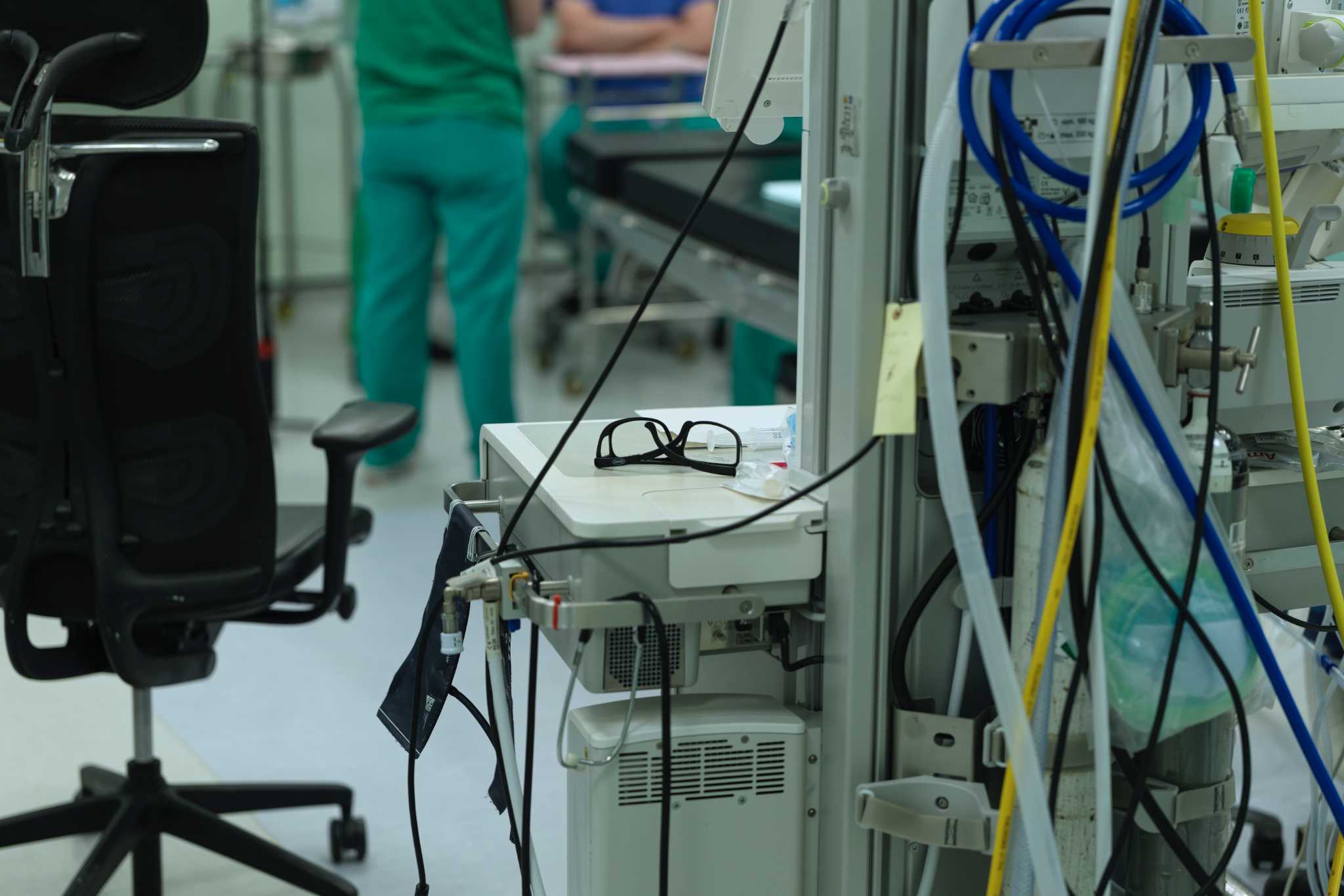
In this experience, observe the pre-procedural brief for a 65 year old male undergoing a transoral laser resection of his right vocal cord squamous cell carcinoma.
Clinical Context
Laser-assisted and diathermy-based airway procedures are widely used in the management of airway pathology. While generally safe, these techniques carry a small but well-recognised risk of airway fire. This arises when the elements of the classic “fire triangle” are present: an oxidiser (typically oxygen-enriched gas mixtures), an ignition source (such as a laser beam or electrosurgical current), and a fuel (including airway secretions, blood, or moist mucosa).
Risk Factors For Airway Fires
In clinical practice, several factors may increase the likelihood of this hazardous combination. High concentrations of supplemental oxygen can enrich the airway environment, while volatile anaesthetic agents may contribute additional flammable vapours. In addition, suboptimal positioning or handling of the laser fibre or diathermy tip can introduce an ignition source in close proximity to potential fuels. Should an airway fire occur, the consequences can be severe and rapidly progressive. These include thermal injury to airway structures, inhalation of toxic gases such as carbon monoxide, and resultant hypoxia, all of which may lead to significant morbidity.
Risk Mitigation
A number of strategies can substantially reduce the likelihood of airway fire. These include minimising inspired oxygen concentration to the lowest level compatible with patient safety, and avoiding unnecessary use of nitrous oxide or volatile agents where possible. The use of laser-resistant or laser-compatible endotracheal tubes provides an additional layer of protection. Local measures, such as the application of saline or wet gauze to moisten surrounding tissues, can help limit the availability of combustible material. Equally important is procedural preparedness: ensuring that suction, saline for irrigation, and appropriate fire-extinguishing measures are immediately available, alongside a clearly understood and rehearsed emergency protocol.
Learning Outcomes
- Observe a pre-procedural brief for a laser procedure.
- Understand the risks associated with laser use.
- Understand the risk factors for a laser fire.
- Understand how risks of airway fires can be minimised prior to the procedure starting.
External Resources