
Autistic Labour Experience
Autism (ASD)Use this resource in conjunction with your real-world training

Experience Summary
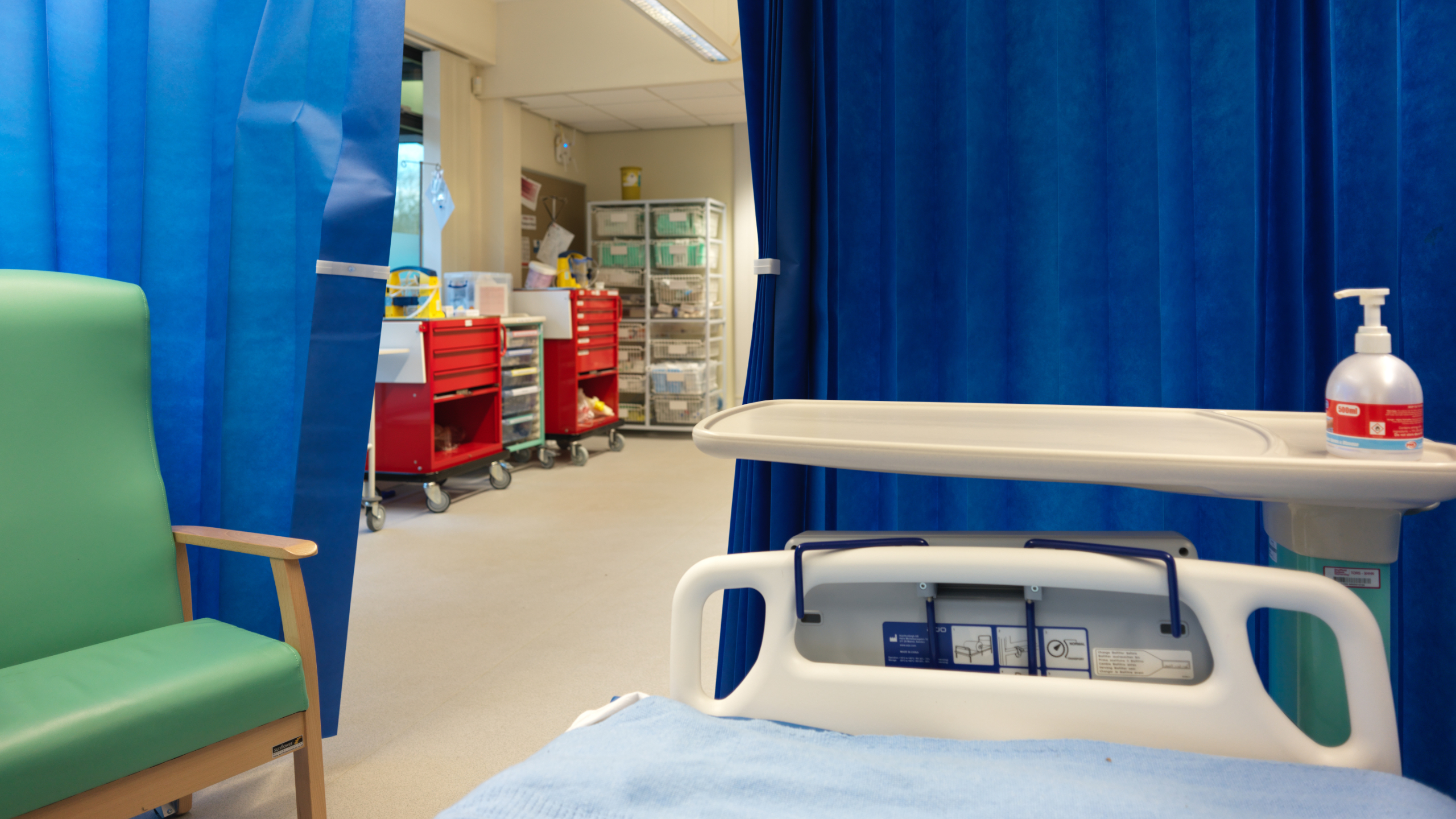
In this 360° video, explore the journey through labour from the patient’s perspective. This learning resource is designed to educate and increase understanding of the ways autistic patients perceive interactions with the healthcare system.
Clinical Context
Patients with autism may face a range of challenges when interacting with healthcare professionals during labour, due to differences in communication styles, sensory processing, and the need for predictability and control. Labour is an intense, unfamiliar, and often highly medicalised environment, and for autistic individuals—who may already experience heightened anxiety in clinical settings—this can amplify difficulties that may not be as apparent in routine care.
One prominent challenge relates to communication. Autistic patients may find it difficult to interpret non-verbal cues, rapidly changing instructions, or figurative language sometimes used under pressure in labour wards. They may struggle to process information quickly when in pain or distress, and may need additional time or a more direct communication style. Conversely, healthcare staff may misinterpret an autistic patient’s communication style—such as reduced eye contact, literal responses, or limited speech—as reluctance or non-cooperation, which can lead to misunderstandings at critical moments.
Sensory sensitivities can also significantly impact the labour experience. Labour wards are typically bright, noisy, and busy, with frequent monitoring, multiple staff entering the room, and unexpected physical contact. Patients with autism who experience hypersensitivity to sound, touch, or light may find these stimuli overwhelming, leading to increased anxiety, agitation, or shutting down. Pain in labour, combined with sensory overload, can make it even more difficult for the patient to communicate needs or participate in decision-making.
Another important area is changes in routine and unpredictability. Labour is inherently variable, and deviations from birth plans—such as induction, augmented labour, or emergency operative delivery—may be particularly distressing. Autistic individuals often rely on predictability to feel safe, so rapid changes without sufficient explanation can increase fear and cause withdrawal or heightened emotional responses. Difficulty coping with uncertainty may also affect tolerance of medical examinations, monitoring procedures, or new staff members.
Furthermore, autistic patients may have challenges with social dynamics and power hierarchies. Interacting with multiple professionals, understanding the roles of different team members, or advocating for personal preferences in a high-pressure situation may be difficult. Some may feel intimidated and unable to express discomfort, while others may appear overly direct or assertive, which could be misinterpreted by staff.
Learning Outcomes
- Observe the interactions a patient in labour may have with healthcare professionals.
- Increase understanding of the difficulties autistic people may face when interacting with healthcare systems.
- Reflect on the adaptations to communication that may be considered when treating an autistic patient.
- Reflect on adaptations to the healthcare environment that may be considered when treating an autistic patient.
External Resources