
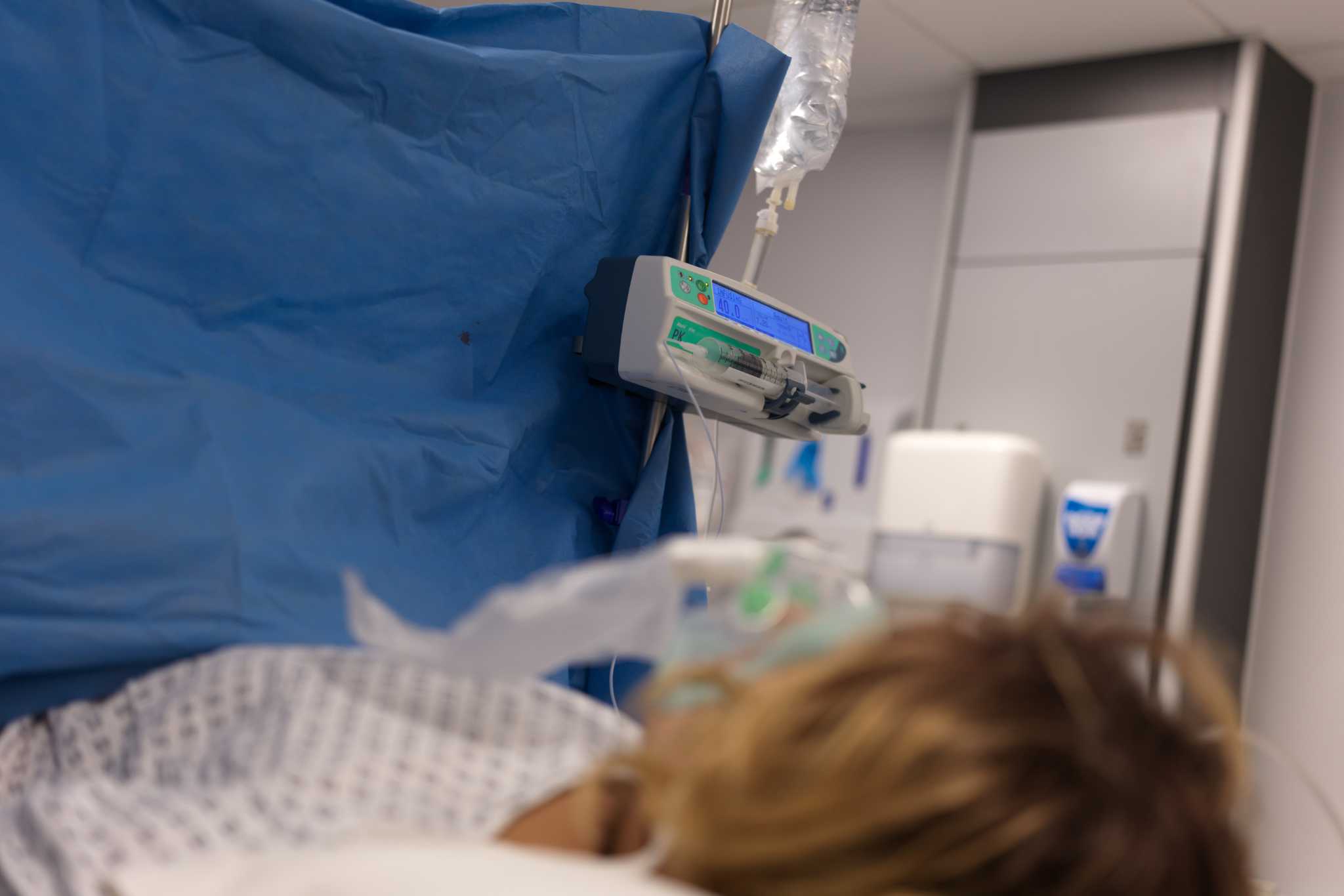
Major Obstetrics Haemorrhage
Anaesthetic Critical Incidents Simulation
Use this resource in conjunction with your real-world training

Experience Summary
In this experience, watch the multidisciplinary team manage a major obstetric haemorrhage. This experience is particularly from an anaesthetic team perspective.
Clinical Context
Major obstetric haemorrhage is a life-threatening emergency requiring rapid, coordinated multidisciplinary management. From an anaesthetic perspective, priorities focus on early recognition, haemodynamic stabilisation, facilitation of surgical control, and prevention of coagulopathy.
Close collaboration with obstetricians is vital, as definitive management often requires surgical intervention, such as uterine tamponade, hysterectomy, or interventional radiology. The anaesthetist must anticipate ongoing blood loss and prepare for massive transfusion.
Principles of Management
Initial management begins with prompt assessment using an ABC approach. The anaesthetist must ensure airway patency and administer high-flow oxygen to optimise maternal and fetal oxygenation. Early recognition of significant blood loss—often underestimated in obstetrics—is critical. Simultaneously, two large-bore intravenous cannulas should be secured, and blood samples sent for full blood count, coagulation profile, fibrinogen, and crossmatch. Effective communication and activation of a major haemorrhage protocol are essential. This ensures rapid availability of blood products, including packed red cells, fresh frozen plasma, platelets, and cryoprecipitate. The anaesthetist plays a key role in coordinating transfusion, aiming for balanced resuscitation to avoid dilutional coagulopathy. Point-of-care testing, such as rotational thromboelastography (ROTEM), may guide targeted therapy where available.
Medications
Fluid resuscitation should begin with warmed crystalloids, but early transition to blood products is vital to maintain oxygen-carrying capacity and coagulation. Permissive hypotension is generally avoided in obstetrics due to the need to preserve uteroplacental perfusion. Active warming measures are crucial to prevent hypothermia, which exacerbates coagulopathy. As bleeding progresses, invasive monitoring may be required. Arterial line insertion allows continuous blood pressure monitoring and frequent blood sampling. Central venous access may be considered in severe cases, particularly if vasoactive support is needed. The anaesthetist must be prepared to manage rapid haemodynamic instability, including the use of vasopressors such as phenylephrine or noradrenaline.
Uterotonics are a key adjunct in the management of major obstetric haemorrhage, particularly in cases of uterine atony. The anaesthetist should be familiar with commonly used agents such as oxytocin, ergometrine, and prostaglandins (e.g. carboprost). Oxytocin is typically administered first-line as a slow intravenous bolus followed by infusion, but rapid administration may cause hypotension and tachycardia. Ergometrine can be effective but is contraindicated in hypertension due to its vasoconstrictive effects. Prostaglandins may be used in refractory cases but can cause bronchospasm or pyrexia. Close communication with the obstetric team is essential to optimise timing and dosing while managing potential haemodynamic side effects.
Learning Outcomes
- Observe the management of a major obstetric haemorrhage from ana anaesthetic perspective.
- Understand the principles of managing a major obstetric haemorrhage.
- Understand the variety of medications that may be administered in a major obstetric haemorrhage.
External Resources