
Total Knee Replacement Team Brief
Knee ReplacementUse this resource in conjunction with your real-world training

Experience Summary
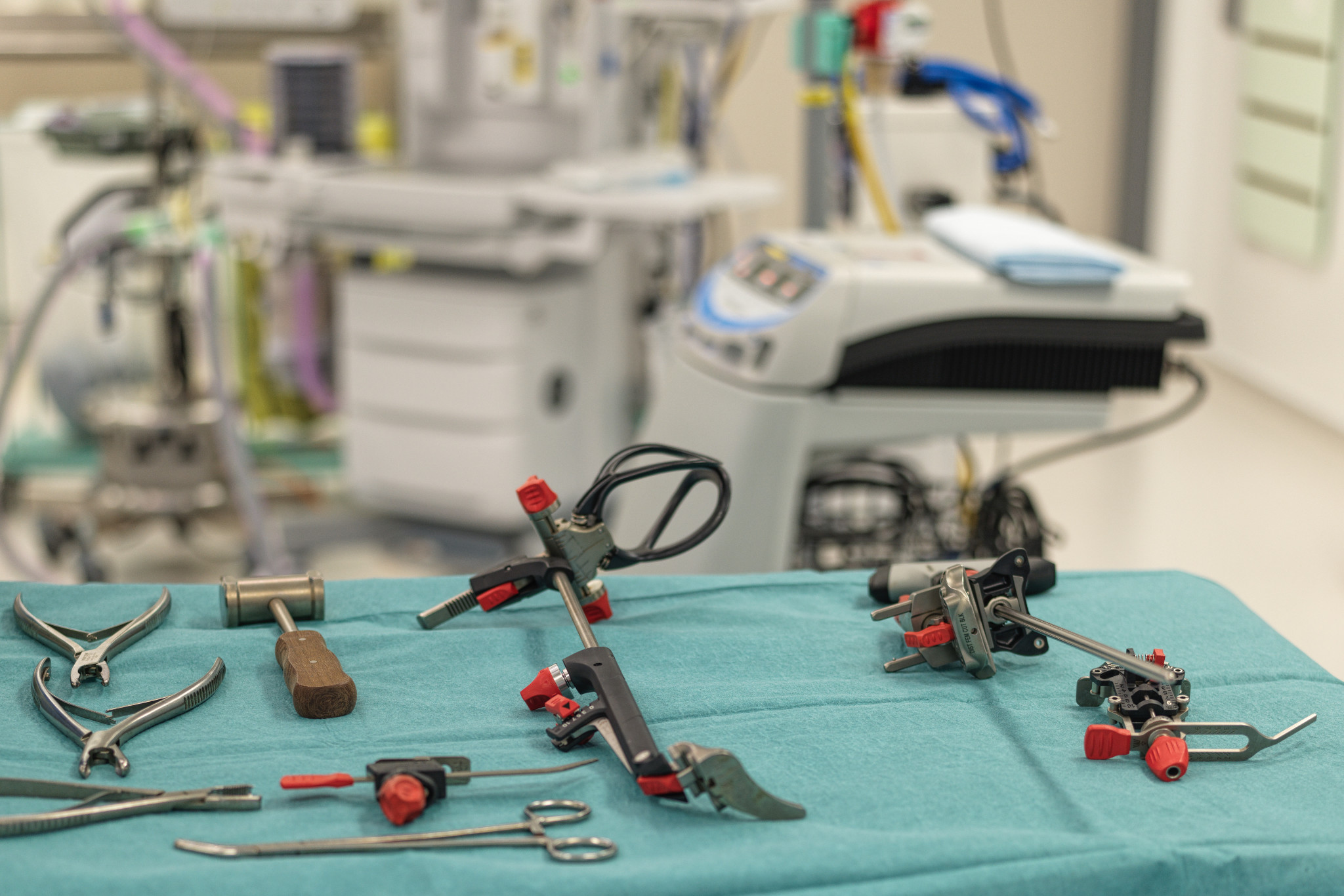
In this 360-degree video, observe the multidisciplinary team perform a team brief prior to starting total knee replacement surgery.
Clinical Context
The team brief is a structured, multidisciplinary meeting conducted immediately prior to surgery, forming a crucial part of the World Health Organization (WHO) Surgical Safety Checklist. In the context of a total knee replacement (TKR), the team brief ensures that all members of the surgical, anaesthetic, and nursing teams are aligned regarding the patient, procedure, equipment, and potential risks. This collaborative step enhances communication, reduces errors, and promotes patient safety.
Total knee replacement is a complex elective procedure that requires coordination between orthopaedic surgeons, anaesthetists, scrub and circulating nurses, operating department practitioners (ODPs), and recovery staff. Errors such as wrong-site surgery, equipment failure, or miscommunication around comorbidities or anticoagulation status can lead to serious patient harm. The team brief mitigates these risks by providing a shared mental model and ensuring that the surgical plan is understood by all involved.
In line with national patient safety initiatives and perioperative best practices, the team brief is typically held in the operating theatre before the patient is anaesthetised. It is led by the consultant surgeon or anaesthetist, but all team members are encouraged to participate actively.
Procedure
The team brief involves the following key components:
- Patient confirmation: Review of the patient's identity, surgical consent, and laterality of the procedure. Site marking is confirmed as visible and correct.
- Procedure details: The surgical team confirms the type of implant, surgical approach, use of tourniquet, and anticipated challenges such as deformity, previous surgeries, or infection risk.
- Anaesthetic plan: The anaesthetist outlines the anaesthetic technique (e.g., spinal or general), analgesic strategies (e.g., regional blocks), and any airway or medical concerns.
- Equipment check: The scrub team confirms availability and readiness of surgical instruments, prostheses, cement, and sterile implants. Backup implants or power tools may also be discussed.
- Prophylaxis and safety: Thromboprophylaxis plan, antibiotic timing, and patient-specific considerations such as allergies or risk of bleeding are reviewed.
- Roles and responsibilities: Each team member is introduced by name and role, and communication protocols are reinforced.
Learning Outcomes
- Observe the team brief before beginning an orthopaedic operating list.
- Observe and reflect upon the multi-professional communication skills.
- Observe the multidisciplinary team approach to patient discussion.
External Resources