
Feedback
Professionalism Simulation
Use this resource in conjunction with your real-world training

Synopsis
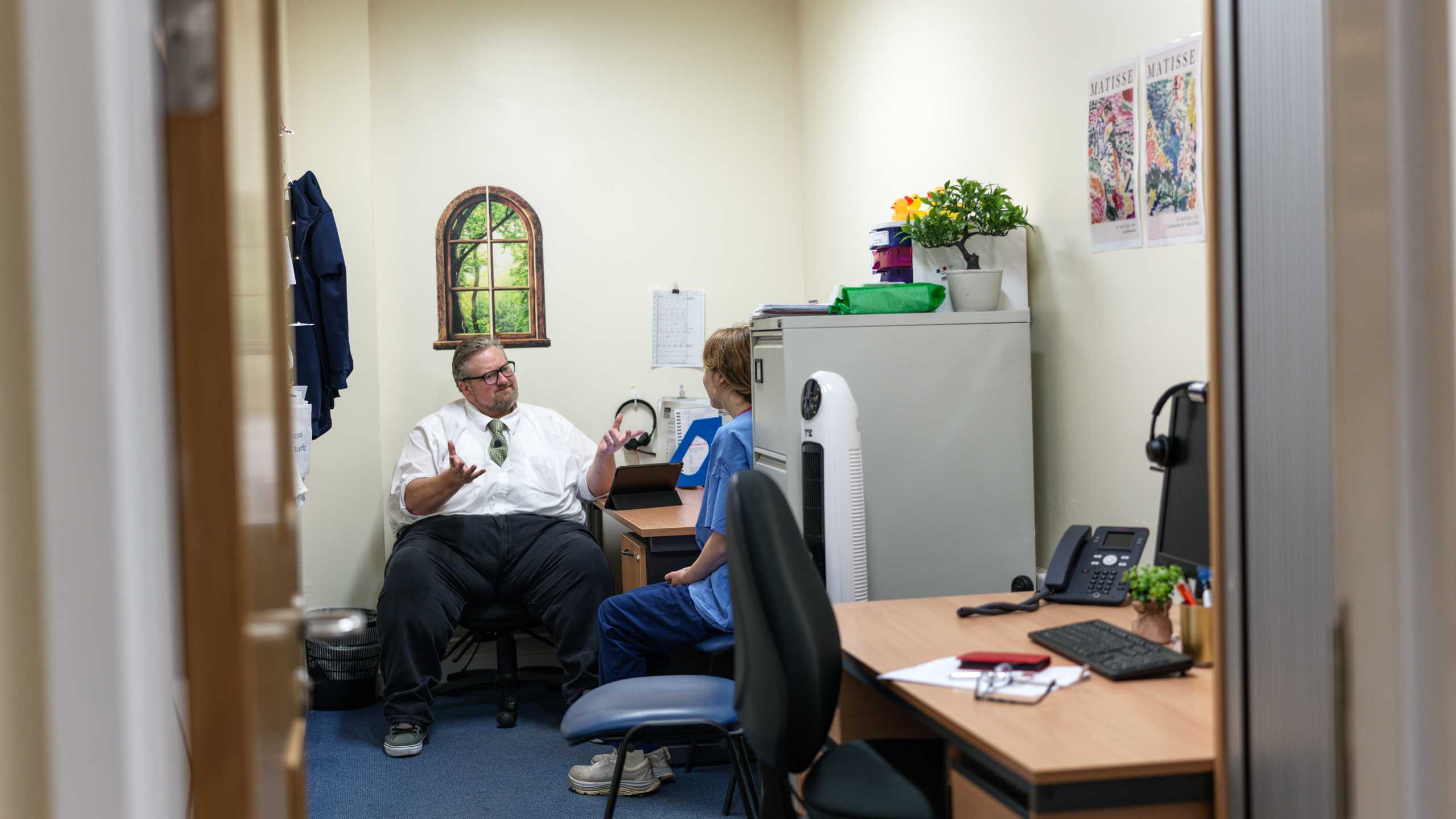
In this short clip three medical students meet their supervisors for end‑of‑block sign‑off sessions. Each student receives a distinct type of feedback: one is given a formal written evaluation, another receives only verbal comments, and the third gets a mix of positive remarks that lack constructive detail versus truly actionable, constructive feedback.
As you watch, focus on:
- The format of the feedback – how written versus verbal delivery shapes the student’s perception.
- The content quality – instances of praise that are vague compared with feedback that pinpoints specific strengths and areas for improvement.
- The student’s response – how each learner reacts to the different styles, especially when faced with constructive criticism versus purely positive but non‑specific remarks.
Importance of Feedback
Giving and receiving feedback is an essential skill for healthcare professionals, as it directly contributes to personal growth, professional development, and the delivery of safe, high-quality patient care. Constructive feedback helps individuals recognise their strengths, identify areas for improvement, and develop new skills or behaviours. For teams, effective feedback fosters a culture of openness, accountability, and continuous learning, which is crucial in the fast-paced and high-stakes environment of healthcare.
Receiving feedback with openness and reflection is equally important. It allows healthcare professionals to gain perspective, address blind spots, and enhance both technical and interpersonal skills. Encouraging a positive feedback culture also reduces defensiveness, builds resilience, and helps maintain morale and motivation, even when addressing challenging situations.
Examples of Feedback Models
Several models exist to guide structured feedback:
- The “SBI” Model (Situation–Behavior–Impact): Focuses on describing the specific situation, the observed behaviour, and its impact. For example: “In today’s ward round (situation), you interrupted the patient (behaviour), which made it difficult for them to express their concerns (impact).”
- The “Feedback Sandwich”: Balances constructive criticism between positive observations, ensuring feedback is encouraging while highlighting improvements.
- Pendleton’s Rules: Widely used in medical education, this model ensures the learner first reflects on what went well, the educator adds positives, then both explore areas for improvement collaboratively.
- BOOST (Balanced, Observed, Objective, Specific, Timely): Emphasises clarity, neutrality, and relevance, ensuring feedback is practical and actionable.
Discussion Points
- What do you think about the feedback given to student 1? Student 2? Student 3?
- What are the drawbacks of non-specific positive feedback?
- What are the drawbacks of written feedback?
- What did you think about student 3’s response to constructive feedback?
- Why is it important to have 2-way dialogue in the feedback process?
- Why is it important to reflect on our own performance as medical professionals? How does feedback influence this?
- This video could be used both for medical students but also for postgraduates who are delivering feedback.
- What constitutes good feedback?
External Resources