
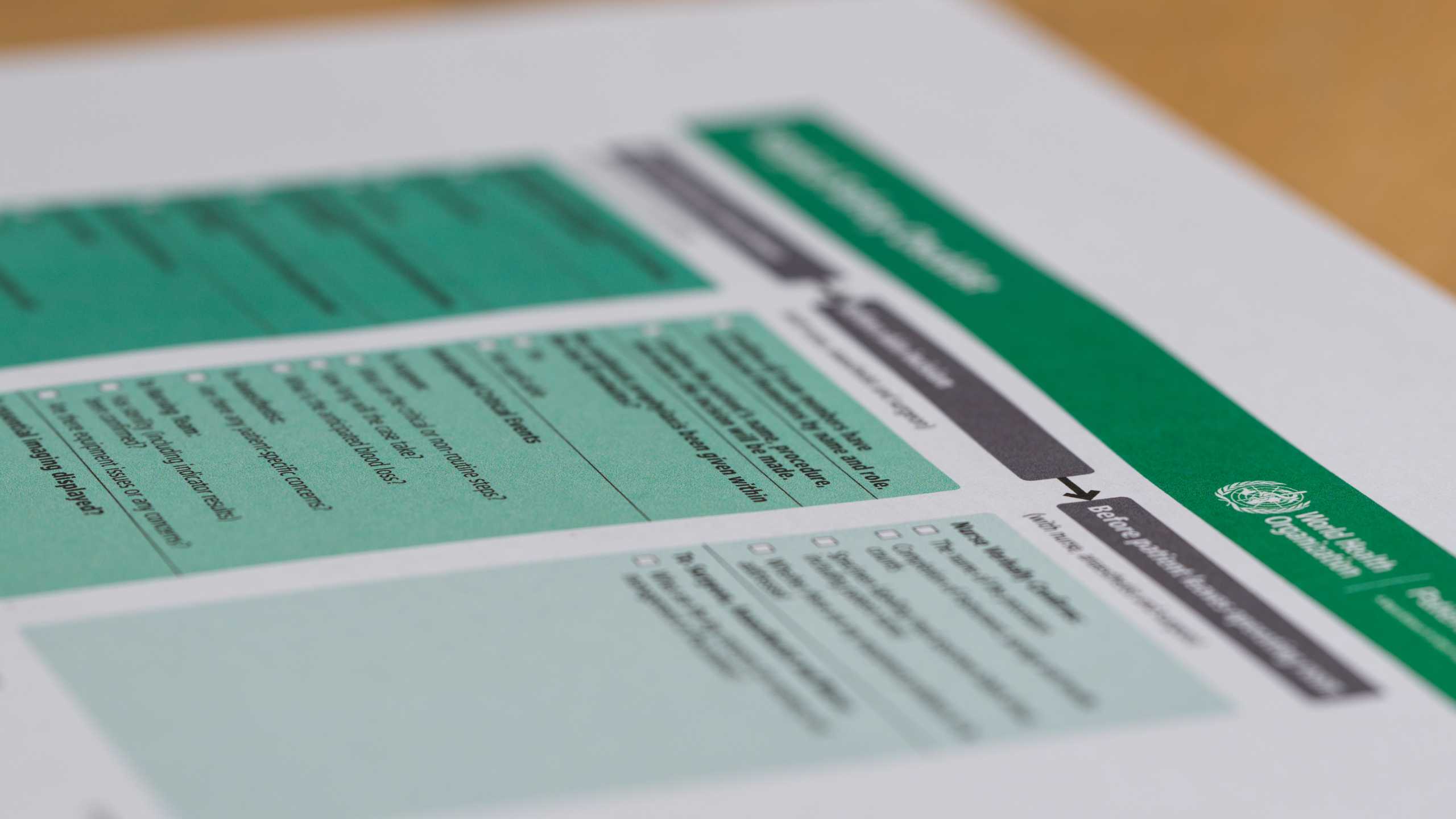
Surgical Safety Checklist
The WHO Surgical Safety Checklist is a concise, evidence‑based tool comprising 19 essential items that teams review at three critical moments—before induction of anesthesia (sign‑in), before skin incision (time‑out), and before the patient leaves the operating room (sign‑out). By prompting surgeons, anesthetists, nurses, and support staff to confirm patient identity, surgical site, procedure details, equipment readiness, antibiotic prophylaxis, and postoperative plans, the checklist creates a shared mental model that catches preventable errors, reinforces communication, and ensures that safety measures are consistently applied. Since its introduction in 2008, widespread adoption of the checklist has been linked to significant reductions in surgical mortality and morbidity worldwide, demonstrating how a simple, structured pause can dramatically improve patient outcomes and foster a culture of teamwork and accountability in the operating theatre.
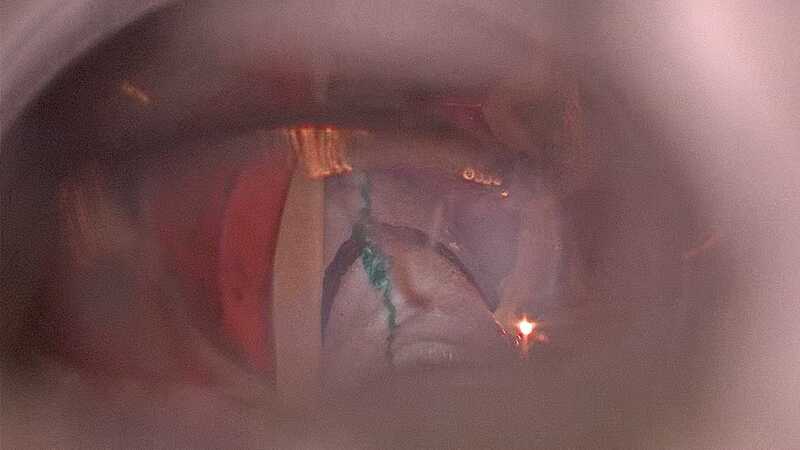
Airway Fires
Laser and diathermy use during airway surgery can, in rare cases, ignite combustible gases or tissues, leading to potentially serious airway fires.
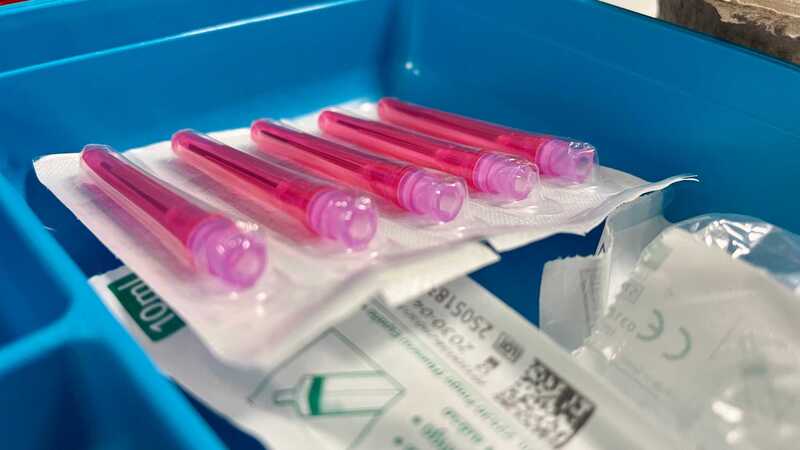
Cesarian Section Safety Checklist
A caesarean‑section safety checklist guides the surgical team through systematic verification of patient identity, surgical site, instrument sterility, anaesthetic readiness, and postoperative protocols, helping to minimise errors and ensure a safe delivery for both mother and baby.
ENT Surgical Checklists
ENT surgical checklists standardise pre‑operative verification of instruments, patient positioning, airway considerations and post‑operative care steps, ensuring safety and consistency throughout ear, nose and throat procedures.
Local Anaesthetic Checklist
A thorough Local Anaesthetic Checklist ensures patient safety by confirming drug dosage, allergy status, equipment readiness, and proper documentation before any procedure begins.
Ophthalmic Surgical Checklists
The WHO Surgical Safety Checklist is designed to reduce preventable harm during surgery through structured safety checks. Two critical components are the “Sign In” (performed before induction of anaesthesia) and “Stop Before You Block” (specific to regional anaesthesia). Both serve as key defences against errors that could have life-threatening or long-lasting consequences.
Orthopaedic Surgical Checklists
An orthopaedic surgical checklist ensures that every step, from patient verification to instrument sterilisation, is systematically confirmed, promoting safety and consistency throughout the operation.