
Obstetrics
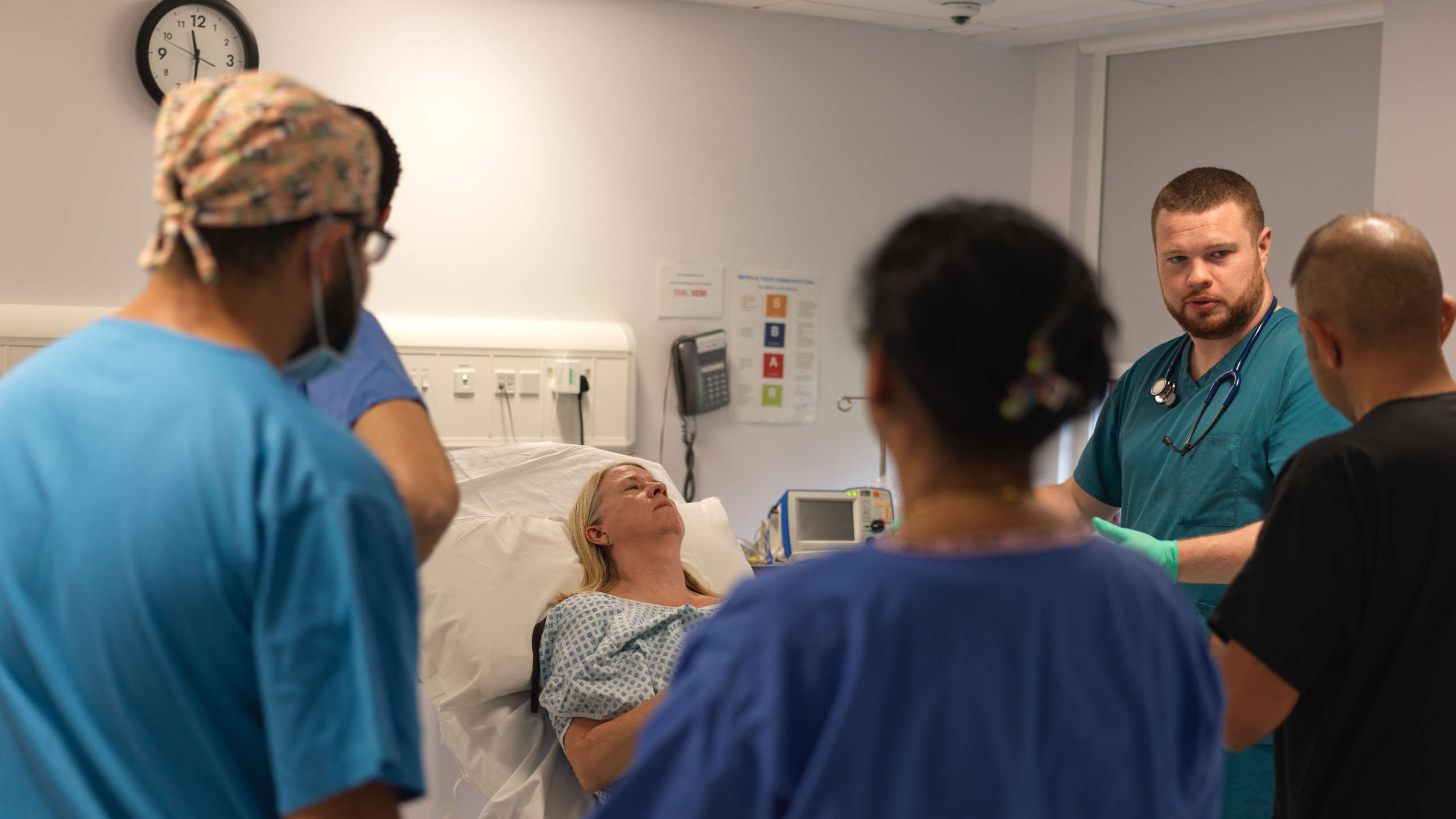
Obstetrics is a medical specialty focused on the care of pregnant women, their unborn babies, and the management of childbirth. Obstetricians monitor the health of both mother and baby throughout pregnancy, addressing any complications that may arise. They perform various procedures, including ultrasounds, prenatal screenings, and deliveries, which can involve natural births or surgical interventions like cesarean sections.

Autism (ASD)
Autism Spectrum Disorder is a lifelong condition that affects how a person perceives and relates to the world around them. The term ‘spectrum’ is used as no two people are the same.

Birthing Pool
A warm bath can be soothing in the early stages of labour. Labour in the bath can be a way of easing the pain.

Cesarian Section Safety Checklist
A caesarean‑section safety checklist guides the surgical team through systematic verification of patient identity, surgical site, instrument sterility, anaesthetic readiness, and postoperative protocols, helping to minimise errors and ensure a safe delivery for both mother and baby.
Maternal Medicine
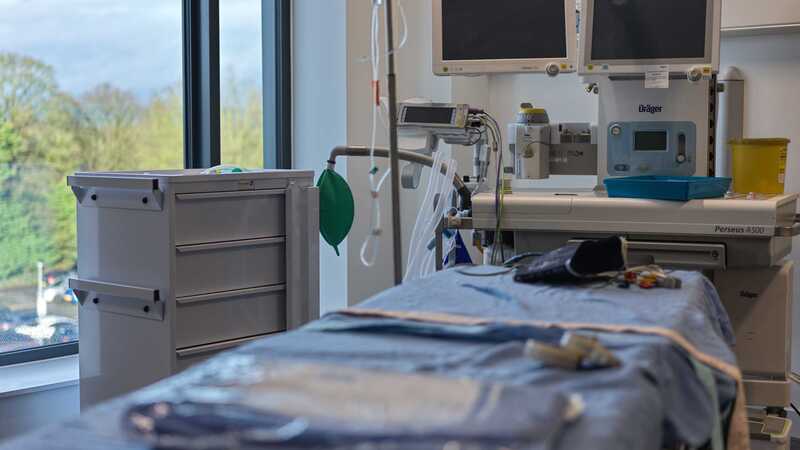
Maternal medicine focuses on the health and well-being of pregnant individuals, especially those with complex medical conditions during pregnancy. It combines expertise in obstetrics and internal medicine to manage risks for both the parent and baby. This specialty plays a crucial role in improving outcomes through tailored care before, during, and after pregnancy.
Obstetric Anaesthesia
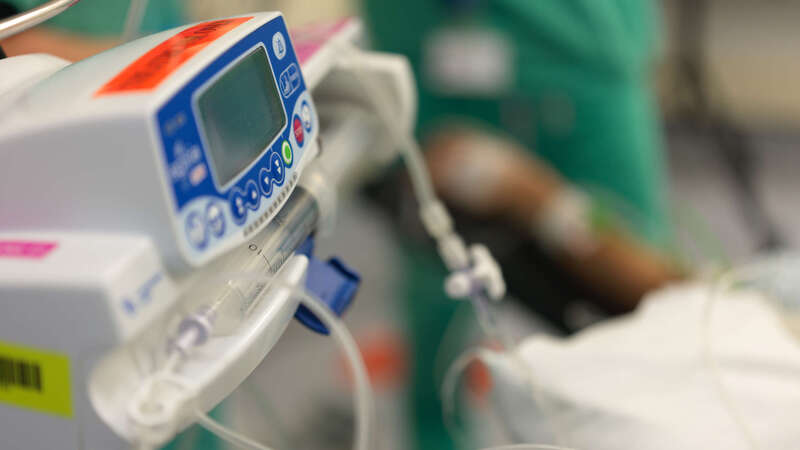
Obstetric anaesthesia is a specialised field focused on providing pain relief and anaesthesia during childbirth and related procedures. It ensures the safety and comfort of both the mother and the baby through techniques such as epidurals and spinal blocks.
Uterine Rupture With Perimortem Caesarean Section
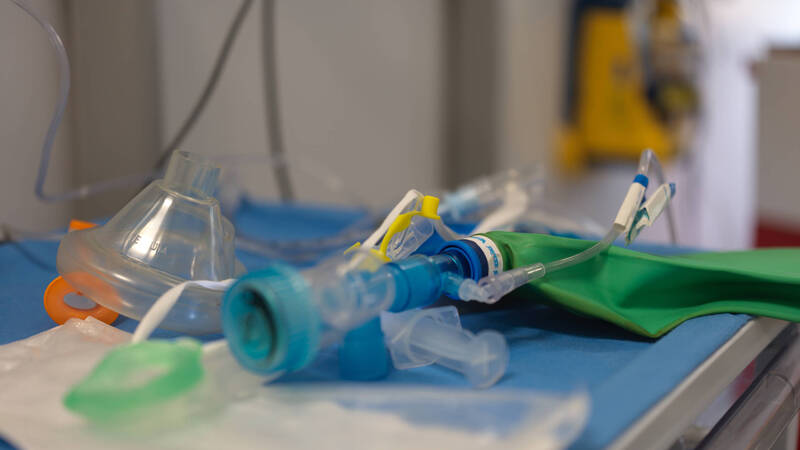
Uterine rupture during pregnancy is a rare but serious complication, often necessitating an emergency perimortem caesarean section to improve maternal and fetal outcomes by relieving pressure and increasing maternal cardiac output.